
Theatre Royal

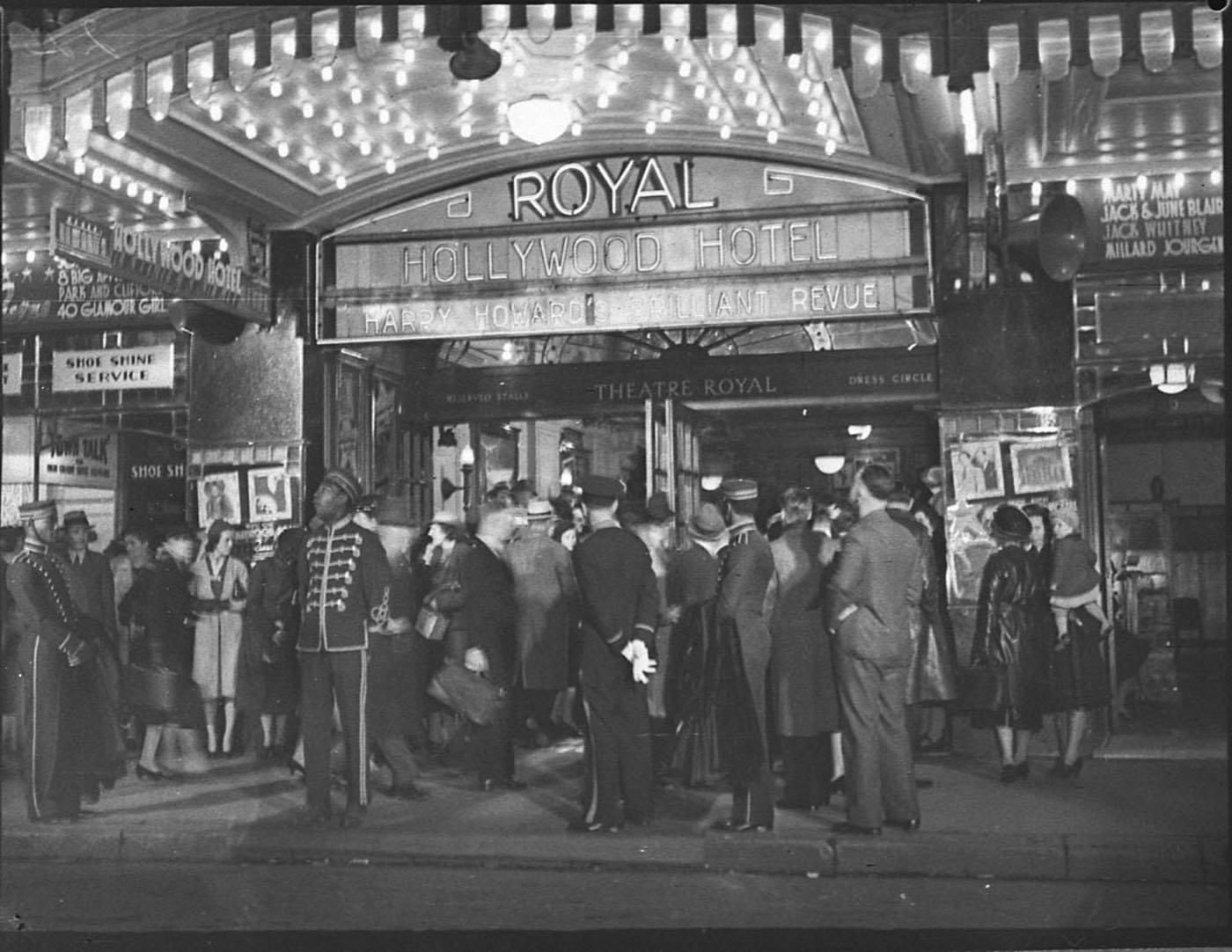
Opening night of Hollywood Hotel Revue at Theatre Royal, Sydney, 23 September 1938. Photographer Sam Hood. (Image source: Wikipedia)
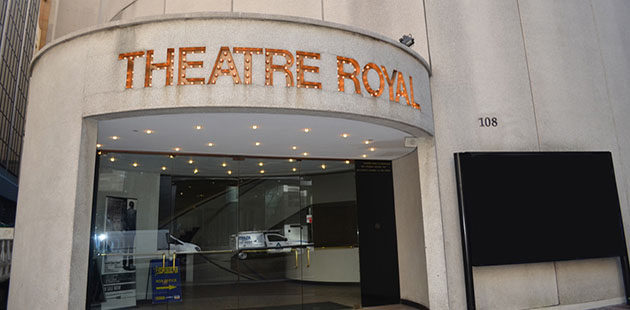
Sydney's Theatre Royal, circa 2019. (Image source: Limelight Magazine)

In the 1972 financial year the infrastructure and development company Lendlease, headed at the time by G. Dusseldorf, boasted the highest profits of all developers in the country. The following year they began a huge inner-city development project in conjunction with the MLC insurance company. It was realised during preliminary demolition that the Royal Theatre would be destroyed and the Actors Equity union stepped up and requested a green ban be placed on the building.

Though Actors Equity gained the support of the BLF and the FEDFA the original building could not be saved. However, the pressure placed on Lendlease by these fighters was enough to reach a compromise and earn a promise from Dusseldorf that a new theatre, devoted to live theatrical performance, would be incorporated into the high-rise being built on the site.

References
Anne Summers, Wendy Bacon, Dave Morrisey, Ruth Gregory and Syd Shelton, The little green book: the facts on green bans, 1973.

Research provided by Isabella Maher


About

On the 50th anniversary of the Green Bans, the ideals of their struggle to protect heritage and environmental amenity for all to enjoy are more urgent than ever. In 2011 the Green Bans Art Walk and Exhibition (in two parts at The Cross Art Projects and The Firstdraft Depot Project Space), told the story of an inspired period, its charismatic leaders and grass-roots heroes. The project comprised a series of public guided walks between the exhibition venues functioned as a living instruction manual and moral compass charting stories of good and evil, creativity and conflict. Read more

Now

Housing Crisis Update: Land and Environment Court rejects developer's plan to convert Sydney boarding house to luxury apartments! The 4 boarding houses, which became a refuge for low-income earners after World War II, were purchased by LFD Developments who then served its residents with eviction orders in October 2024. The men and the community fought bravely to save the boarding houses and their neighbours. The decision weighed the lack of affordable housing in Sydney, making like-for-like accommodation impossible to find. Read more